31 May 2011

Pampanga's Good Friday Tradition

My son flew in from Cebu together with Don to shoot the traditions of Pampanga during Good Friday.  I decided to tag along with them to shoot too.

This has blood and gore.  Not for the faint of heart.


Flagellants by the roadside.  
Each had a story to tell.  
Each had their own reasons for doing this.  
As thanksgiving for a mom who got cured, penance for a life of sin. 


There are also those who carry their crosses to symbolize the way Christ carried His.  
They want to be like Him. 

They walk through the hot pavement in Mabalacat all the way to Angeles.  It was scorching hot that morning. 


A barefoot walk some 20+ kilometers in 34 degree weather as sacrifice.

They flagellate themselves with the use of rattan sticks.  They first hit themselves until their backs get inflamed.

They do this repeatedly until that moment when
they are ready to be cut.
This is done by the church of Mabalacat.  
Though not sanctioned by the Catholic Church,
this practice has been done for decades
and no one can actually put a stop to it.

The skin is cut by a fresh blade by elders or those who have done this before and have already "retired" from doing it.

Freshly cut skin allows the blood to now ooze out freely. 


A break to drink "beer" to numb themselves.  It got me thinking:  What for, then?  What was the whole point of trying to feel the pain of Christ when they numb it with lager?

A rinsing of their rattan whips.
Blood oozing out.
Crazy.


She was a girl carrying a cross.  Not a usual sight.

She said she was doing this as a sacrifice to get
her marriage back on track.  
Her husband was a philanderer.

He depicted "Jesus" in the reenactment.

He was actually nailed to the cross using surgical stainless steel nails.

You can see the pain on his face.

The second nail. 

He was doing it for his mom who was cured from cancer after a 3-year battle.

The reenactment scene.  
All three were nailed to the cross.

Crucified on the cross under
the heat of the blazing sun.

La Pieta.

John, Mary and Magdalene.

After they were taken down, I asked to photograph the hands.  Puncture marks can still be seen.

Blood was still unwashed.


No one really can identify how this started.  When it did and why.  All they know that it was to feel the agony that Christ did.  To bear his pain.  

Everyone had their own personal reasons.  Most of it was a devotion or "panata" because of thanksgiving for a healed parent, relative or child.  Some were as sacrifices to restore relationships and livelihood.  I am just glad that my Christ finished it on the cross and I do not have to do all those things.  I am just thankful that it is done.  And that all He asks of me is to believe and accept Him as Lord and Saviour of my life.

05 December 2010

Liliw, Laguna

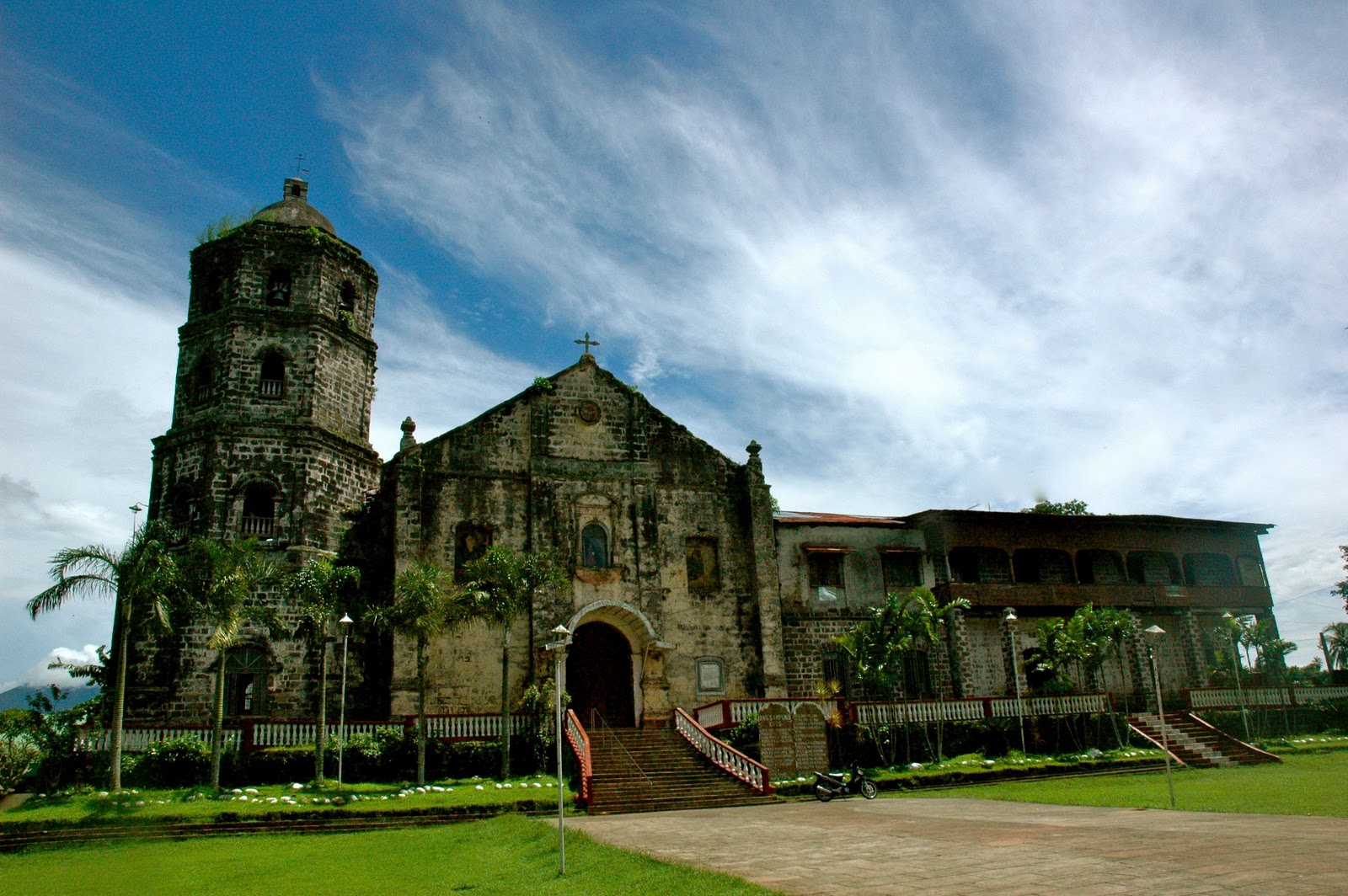
A continuation of my Laguna tour, I visited the church of St. John the Baptist in Liliw.  Liliw in Laguna is bounded on the north by Magdalena, on the east by Majayjay, on the west by Nagcarlan and on the south by Quezon.  Another small municiality of Laguna, it is famous for its slippers-making cottage industry.

I am not certain if the province has hotels available, but with its close proximity to Manila, it isn't really necessary.  Of course being me, I wasn't attracted to the place because of its slippers, it was the beautiful, brick church that really caught my eye.


The church of St. John the Baptist was built in 1605 but was damaged by an earthquake in 1800.  It was renovated but partially burned in 1898.


The inside of this bell tower is the stuff of hunchback stories.  Rickety wooden stairs, very cold interior... 

Beautiful facade.  I am always taken in by beautiful, old churches.  I always wonder what stories these churches have to tell. 

Intricate church altar.  Rumor has it that only one person designed most of the Laguna altars because of their similarity in design.


Church facade details. 


A sculpture of St. John the Baptist baptizing Jesus in the river Jordan on the church facade.


Recently added bricks.  Not sure how recent though.  But it was too new to be more than 20 years old.


Older bricks of the church. 


Vegetation in the church facade.  Moss covered bricks, and a few other plants. 


More vegetation.


Though I know that the real attraction to Liliw is the slippers industry, the town has a few more treasures worth looking at.  On the street leading to the church, there are still a few old houses that would make you think Kapitan Tiyago and Cabesang Tales.  So much history and character.  

When going to a certain destination, explore the surrounding areas.  Make the most of every trip.  Maximize.  In Liliw, don't just stop at all the shops that sell slippers.  Go further into the town proper.  So much to explore and discover.  Look for an old resident.  Share a cup of coffee or a bottle of soda.  Ask about the town.  Listen to the stories they have to tell.  It is oftentimes more fascinating than reading a history book!

02 December 2010

Poetry in Photos

Sunsets have always been my favorite part of the day.  They just bring out so much emotion in me.  This is a photo book on a trip I took with my son in 2007.  


Photo credits: Miel and Matthew Maguigad Poetry: Miel Maguigad

A Glimpse of South Vietnam

A photo book on a trip to Vietnam with my son.  Enjoy browsing through the pages!


29 November 2010

Magdalena, Laguna

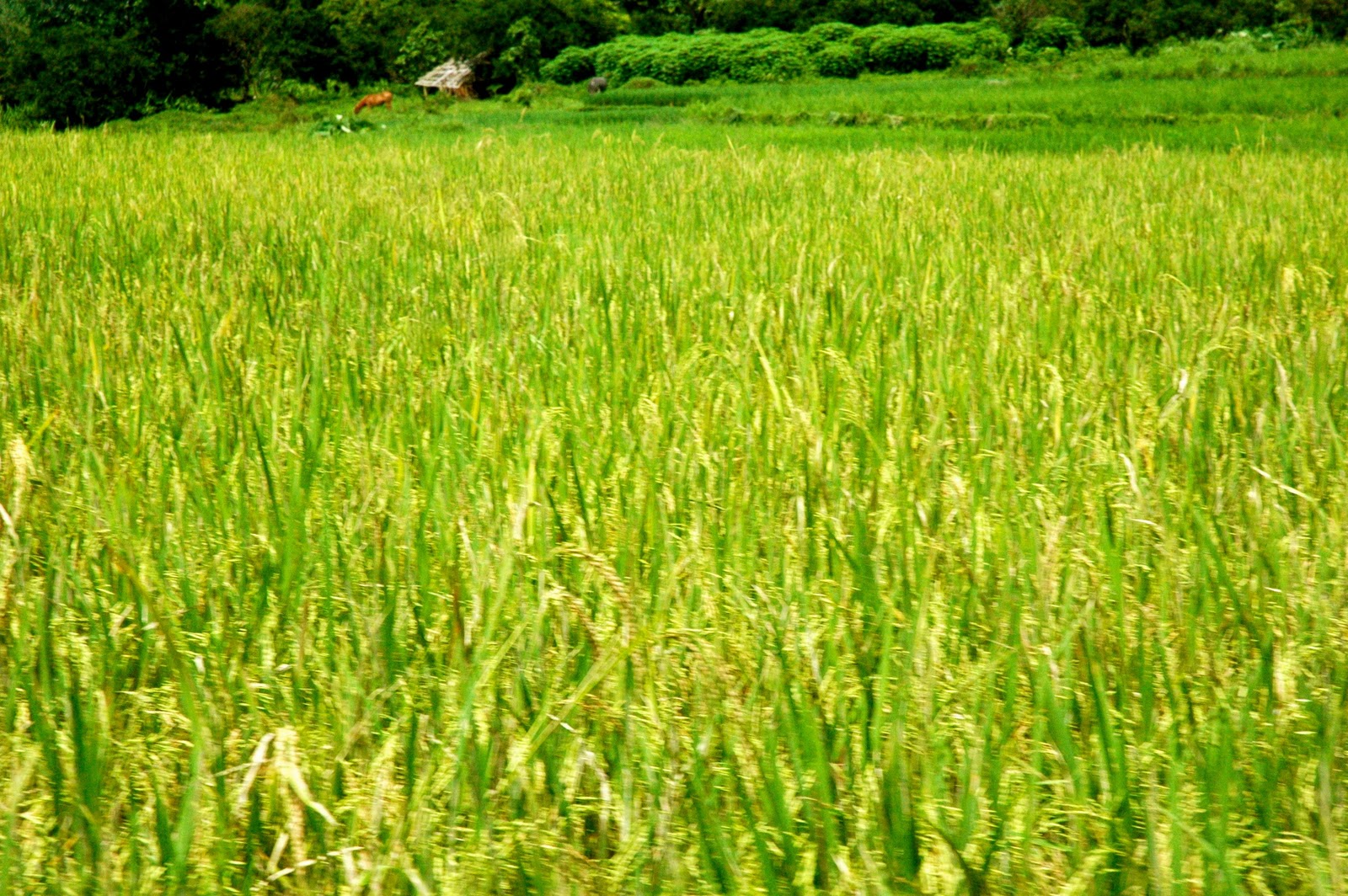
Magdalena town in Laguna is situated in the foot of Mount Banahaw.  A small sleepy town of a little more than 20,000 in population, its primary source of income is rice farming.  Took a quick side-trip to the town a couple of months ago while doing work in Laguna.  


Mount Banahaw in the distance. 


Rice fields and coconut trees. 


The lush countryside. 

I have a penchant for old churches, and this church was really beautiful.  Atop of a slight incline, it was a magnificent presence.


The church had a big yard, beautifully manicured and maintained.  


The church was situated in a way that people in the town would see the belfry even from a distance.


This is the top of the belfry seen from a distance.


Top of the church.


The town's municipal hall, fronting the church. 


Closer look at the Municipal Hall.

The town's layout, with the church fronting the Municipal Hall was reminiscent of times when the church had a big say in the town's activities.  You could almost imagine a Padre Damaso walking towards the Municipal Hall to give a piece of his mind to the Mayor.  You would think it was something out of the Noli Me Tangere or El Filibusterismo.

The next time you're in Laguna, try to visit more of the country side.  You will be surprised at the wealth of culture you can find in small municipalities like Magdalena.


19 November 2010

Tranquility in a Farm

A couple of months ago, I joined good friends BG and Jhoey and their kids in visiting a sustainable, organic farm.  They had very interesting processes but with me being me, it wasn't that that impressed me.  I was drawn to this one spot in that farm.  A place where you would want to sit back, open a book and just sit there for hours.  It was this one spot where you would want to immediately kick off your shoes, drop your shoulders, and breathe.  


There is comfort in the quiet
Peace in the silence


Breathe in the air of rest
Soak in the warmth of peace


A chirp, a tweet,
A splash, a rustling
Sounds of the lake


The lush green
The blue skies


Reflections 
Of life
Of love


The farm is located in Cabiao, Nueva Ecija.  About 3 hours north of Manila.  The farm is existing on sustainable, renewable energy and organically grows all their crops.

I never expected to find something so refreshing in this farm.  The most I expected was to learn a lot about sustainable energy and organic farming.  This discovery was definitely worth the trip.